 Devin Alexander
 Why relentless research pays off in the end
Research isn't a checkbox. It's compound interest. The case for going deeper before you go faster.
In late 2025 I started what I thought was a simple audience research project. I was CMO at Bitmern Mining, an institutional Bitcoin mining company with ASIC hosting facilities across the globe, and I needed to understand our users better. Standard stuff. Build some personas, validate some assumptions, move on to the campaign.
That project lasted several months. And it changed everything about how we built the product.
What I found was that the people who actually mine Bitcoin are fundamentally different from the broader crypto crowd. This is what months of conversations, surveys, forum analysis, and behavioral data kept confirming over and over again.
Bitcoin miners, the real ones running ASICs and caring about hash rates, carry a significantly higher level of technical knowledge than your average spot trader. They understand the protocol. They understand energy economics. They can tell you the difference between a Whatsminer M50S and an Antminer S19 XP and why it matters for their specific power cost. These aren't people refreshing Coinbase hoping for a green candle.
They're also more selective about what they support. The majority of miners I studied cared deeply about decentralization where they're skeptical of centralized validators and proof-of-stake chains that consolidate power. They weren't chasing Solana and XRP because those coins were "all the rage." They were mining Bitcoin because they believed in what Bitcoin actually is.
Here's where the research stopped being a marketing exercise and became something else entirely.
When we started building the Bitmern Solo Pool, I made the call to let the research drive the front-end design, the user experience, and the core functionality of the app itself. Because if I knew who these people were, what they valued, what they were skeptical of, and what made them stick with something, then the product should reflect that knowledge at every layer.
The design of bitmernsolo.com was built from understanding. We knew the audience didn't want flashy crypto-bro energy. They wanted clarity, transparency, and technical credibility. So that's what we gave them. Every design choice, every feature priority, every piece of copy was filtered through what we'd learned about the people who would actually use it.
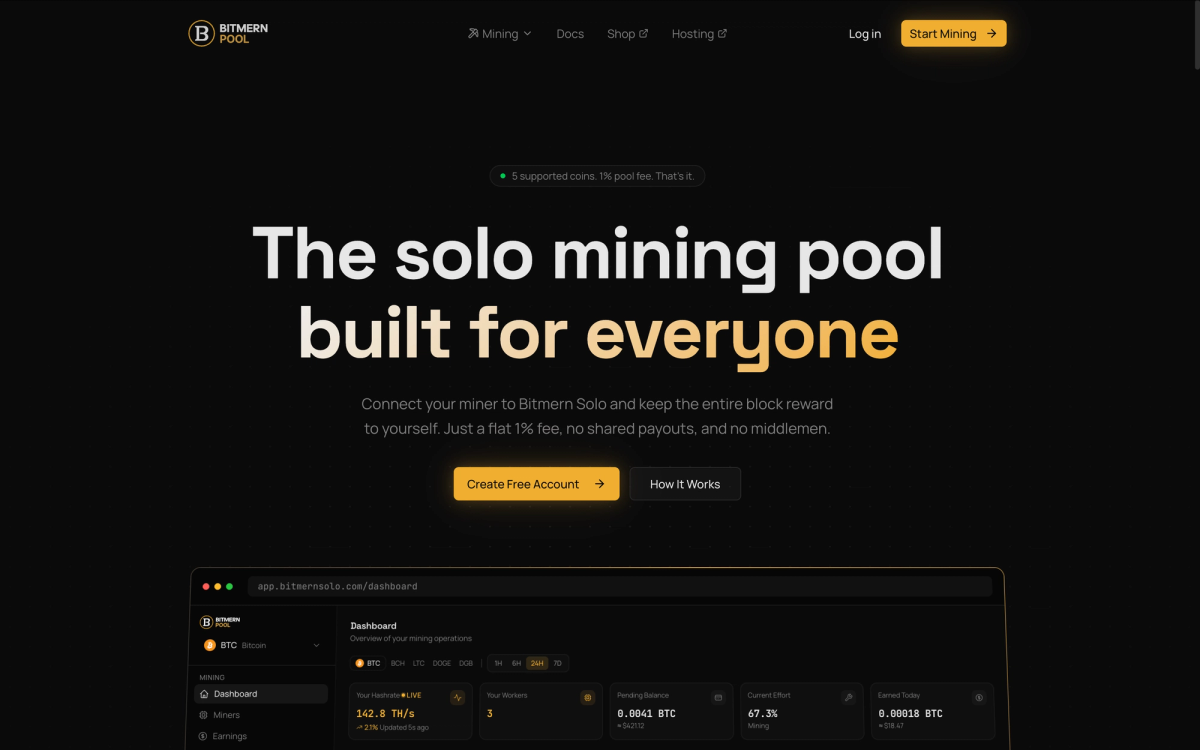
Bitmern Solo now has over 2.5 PH/s on the pool. It's one of the fastest-growing solo mining pools out there because we did the research first and let it inform decisions that most teams make on instinct.
I get why research feels like a luxury. You've got deadlines. You've got stakeholders asking why the landing page isn't live yet. You've got competitors shipping features every week and it feels like you're falling behind by sitting in a spreadsheet instead of pushing pixels.
But there's a difference between moving fast and moving in the right direction. Speed without understanding is just expensive guessing. And I've seen enough campaigns, enough product launches, enough rebrands go sideways because someone decided they already knew the audience well enough to skip the research.
The uncomfortable part is that research doesn't look like progress. Nobody's going to congratulate you for spending three weeks reading forum threads and analyzing survey responses. There's no visible output. No deliverable to show in the Monday standup. It feels like you're stalling.
But the real deliverable of research is confidence. That's the thing nobody talks about.
When you've spent months inside a problem, inside an audience, inside the data, you stop guessing and start knowing. You don't hedge in meetings. You don't second-guess the wireframe. You don't pivot the messaging three weeks after launch because the engagement numbers look off. You already know what works because you did the work before the work.
With Bitmern, I didn't have to wonder if the design would resonate. I didn't have to A/B test my way to a value proposition. The research had already told me what these people cared about, how they talked about it, and what would make them trust a new pool with their hash power.
Research compounds. Every insight you gather makes the next decision sharper. The audience understanding that shaped the product design also shaped the content strategy. The content strategy informed the community approach. The community approach fed back into product development. It's a loop, and the deeper your initial understanding, the tighter that loop runs.
Ignorance compounds too. Every decision made without understanding creates downstream problems. A landing page built on assumptions needs to be rewritten when the data comes in. A feature built for the wrong user needs to be rebuilt. A brand voice that doesn't match the audience needs to be overhauled six months in. The cost of skipping research isn't just the initial miss. It's the entire chain of corrections that follows.
I spent months on research that had no immediate deliverable. No campaign went live during that time. No landing page launched. From the outside, it looked like nothing was happening. But when we finally shipped, we shipped right. And the growth that followed wasn't luck. It was the direct result of knowing exactly who we were building for and what they actually wanted.
2.5 petahashes per second. That's not a vanity metric. That's real miners, running real machines, choosing to point their hash power at something we built. They chose us because we understood them. And we understood them because we did the work that most teams skip.